Physical Address
304 North Cardinal St.
Dorchester Center, MA 02124
Physical Address
304 North Cardinal St.
Dorchester Center, MA 02124

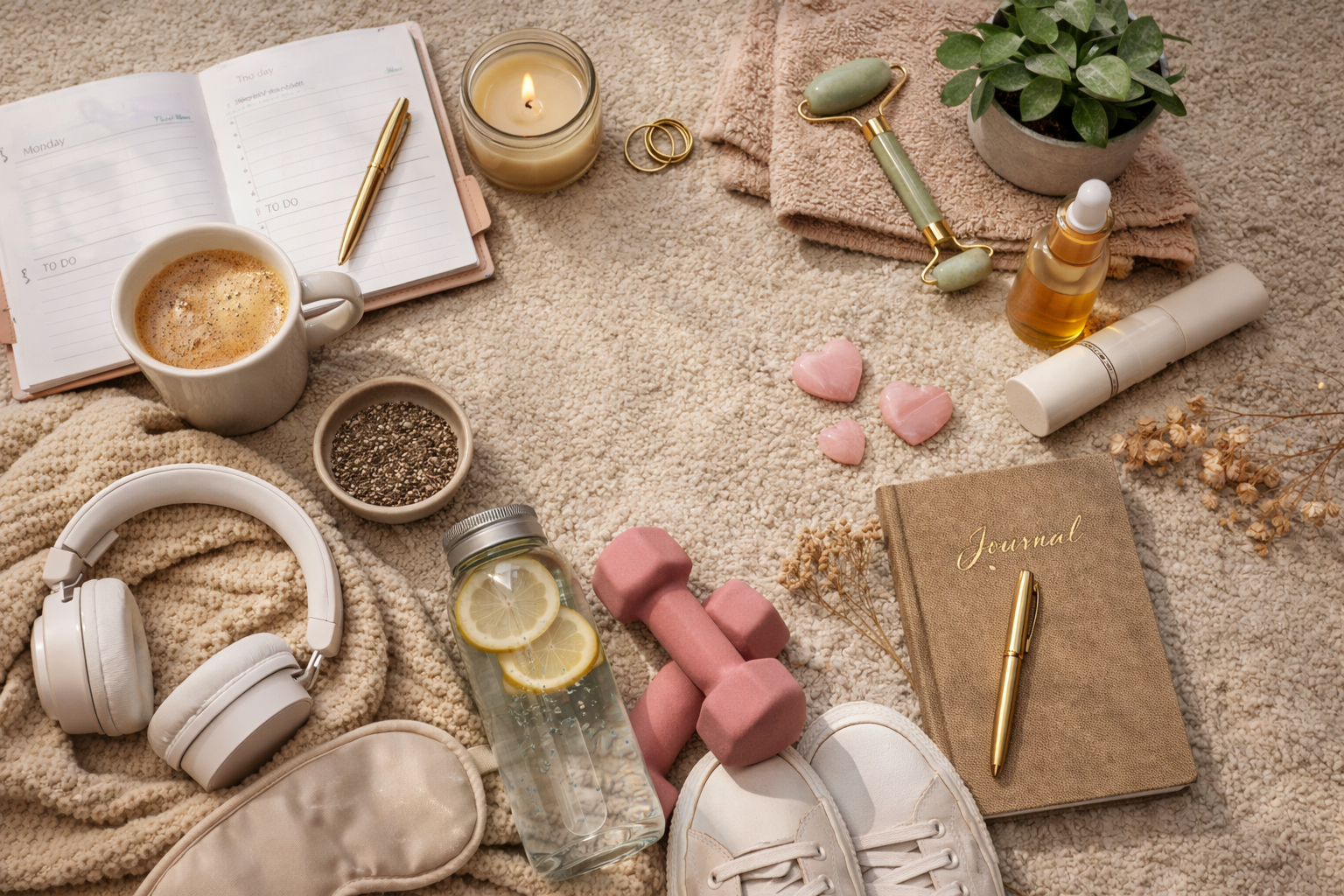
Self-care is often marketed as candles, face masks and relaxing evenings. While those rituals can absolutely help, real self-care goes much deeper than aesthetics.
In your twenties, self-care often becomes less about indulgence and more about stability — protecting your energy, managing stress and building habits that support your long-term wellbeing.
If you’d asked me a few years ago what self-care meant, I probably would’ve said face masks, candles, fresh pyjamas and a “reset Sunday.” And I still love all of that. I love an everything shower. I love doing my hair properly. I love a skincare night where I actually massage my products in instead of rushing.
But at 26, I’ve realised self-care in your 20s feels a lot less aesthetic and a lot more intentional.
It’s not just about feeling good in the moment — it’s about keeping my life steady. It’s less about “treating myself” and more about taking responsibility for myself.
Because this stage of life is busy. There’s work, relationships, money decisions, body confidence, random anxiety spirals, long-term plans… and that quiet pressure of feeling like you should have everything figured out by now. Self-care is what stops all of that from tipping over.
I don’t see it as indulgent anymore. I see it as maintenance.
The same way you service a car before it breaks down — you look after yourself before you burn out.
For me, that looks like:
It’s not dramatic. It’s consistent. And consistency is what actually changes how you feel day to day.
One of the biggest forms of self-care for me is using my planner properly.
If it’s not written down, it lives in my head — and my head gets loud.
Planning my week:
There’s something grounding about mapping out my week, setting realistic priorities and physically ticking things off. It makes me feel proactive instead of reactive.
For me, organisation isn’t about hustling 24/7. It’s about protecting my mental space.
At 26, I’m much more aware of what drains me.
Self-care looks like:
I’ve realised not everything deserves a reaction from me. Not every opinion deserves space in my head.
Peace is quiet — but it’s powerful.
This is something I’m actively learning.
Budgeting properly. Thinking long-term. Not impulse spending to regulate emotions. Making decisions that support future stability — whether that’s saving, investing in myself, or realistically weighing up renting vs buying.
Financial stress spills into everything. So reducing it where I can? That’s self-care.
Security is a form of self-respect.
Future me deserves stability.
I used to think love meant pouring everything into someone else.
Now I know self-care inside a relationship means:
You can love someone deeply and still prioritise yourself.
In fact, I think that’s healthier.
And yes — the rituals count too.
My self-care also includes:
Those little rituals remind me I’m worth time. They help me regulate. They make me feel steady.
Because nobody else is going to manage your nervous system for you.
Nobody else is responsible for your health, your growth, your money, your boundaries or your healing.
At 26, I’m realising self-care isn’t dramatic. It’s steady.
It’s choosing long-term peace over short-term validation.
It’s choosing discipline over self-sabotage.
It’s choosing yourself — repeatedly.
When I consistently show up for myself, everything feels more stable. My mood improves. My reactions soften. My confidence grows. My standards quietly rise. My tolerance for chaos drops.
Self-care isn’t selfish.
It’s not cringe.
It’s not indulgent.
It’s practical.
It’s preventative.
It’s necessary.
And honestly? It’s one of the most grown-up things I’ve learned to prioritise.
What does self-care actually mean?
Self-care means intentionally taking care of your physical, mental and emotional wellbeing through habits, boundaries and routines that support your long-term health.
Is self-care selfish?
No. Healthy self-care helps you manage stress, maintain boundaries and show up better in your relationships and responsibilities.
Why is self-care important in your 20s?
Your twenties often involve major life changes, pressure and decision-making. Self-care helps maintain balance, mental health and long-term stability during this period.